

![5 Games That Became Overnight Successes [Updated for 2026]](/images/blog/5-games-that-became-overnight-successes-featured.webp)

From Mario Kart: Tour's 90 million first-week players to Fortnite's record-breaking seasons, we explore five games that achieved explosive growth and the infrastructure lessons developers can learn from their launches.
How Mario Kart: Tour Achieved 90 Million Players in One Week

The Mario Kart series has been associated with on-the-go gameplay since Super Circuit hit the Gameboy Advance in 2001, so the arrival of the much-loved franchise on mobile was pretty much guaranteed to be a success. Demand for Mario Kart: Tour was so high that it saw widespread server crashes at launch, with Sensor Tower reporting 90 million players within the first week. That's despite the game - known for its social gameplay - initially launching without multiplayer.
The early days of Mario Kart: Tour showed that LiveOps and multiplayer don't necessarily need to be a package deal. Players enjoyed vintage tracks alongside the new courses inspired by locations across the world which were regularly added to the game. When multiplayer was later added in March 2020, gamers had already enjoyed a steady stream of updates for a full six months.
Key Takeaway
Live game management is crucial for LiveOps titles - multiplayer or not - to understand your player's behavior and find the sweet spot for monetization, engagement, and retention.
Why Call of Duty: Warzone Mobile Struggled Despite the Hype
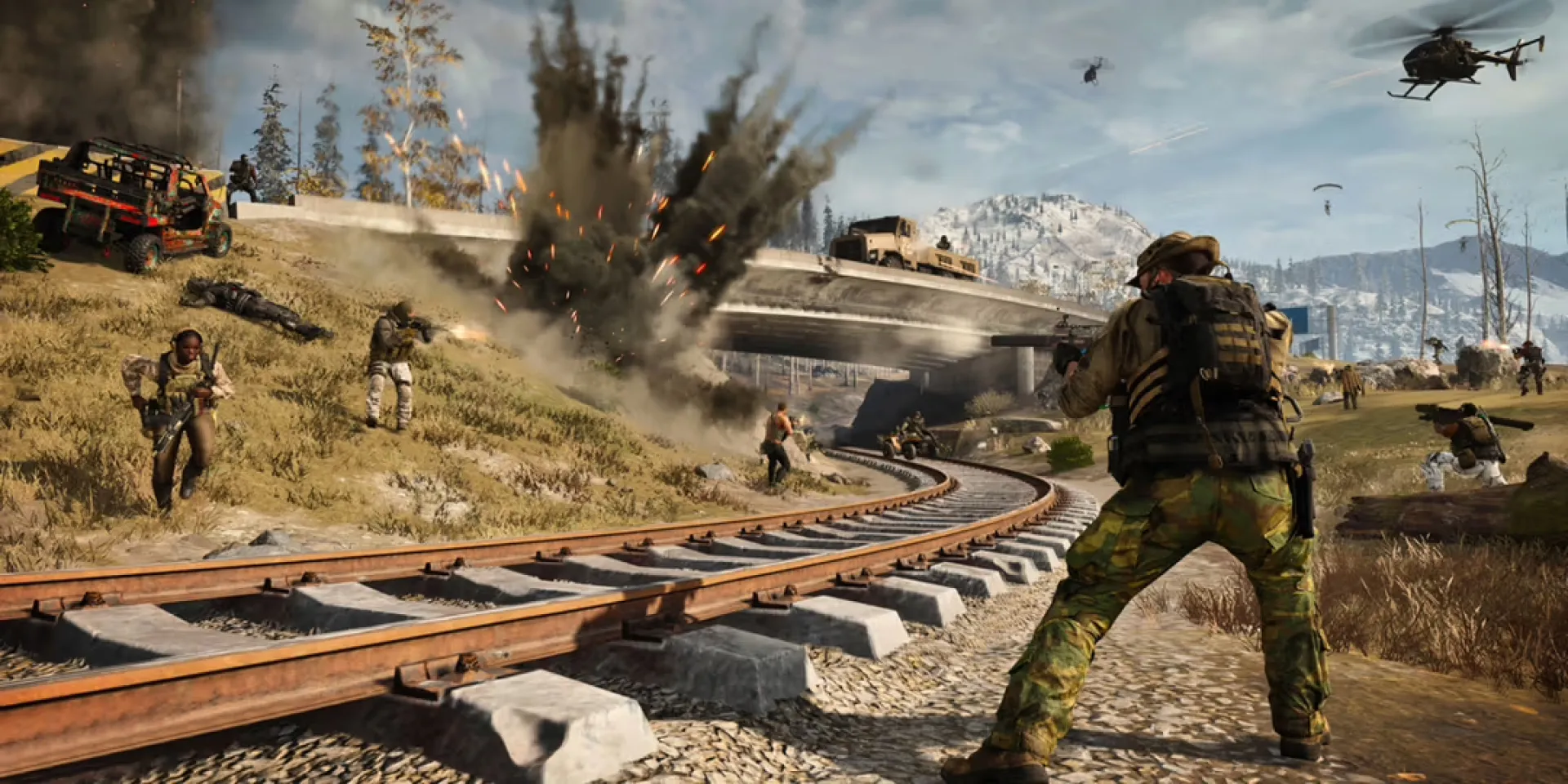
Released in March 2024, Call of Duty: Warzone Mobile emerges as the newest entry on the list. According to reports from PocketGamer.biz using data from AppMagic, the game, which generated a huge amount of hype, made a respectable $1.4 million in its first four days.
Typically, player complaints from an overnight success revolve around server and infrastructure crashes. For Call of Duty: Warzone Mobile, complaints have instead focused on the game's poor performance on lower-end devices, with many players unable to play the game at all. Call of Duty: Mobile Warzone was developed using the in-house 'IW engine'; a change from Call of Duty: Mobile's use of Unity.
Key Takeaway
Having reliable server infrastructure for a game is important, but so too is optimization on a local level. At Metaplay, we're strong believers in giving developers confidence about how their game will perform before it gets into the hands of players, so precious hype doesn't fizzle out. Our connection manager enables developers to simulate connection/gameplay experiences on different devices under real-world server conditions.
How Helldivers 2 Managed an Inverse Decay Curve

Launched in February 2024, Helldivers 2 became such an overnight success that Arrowhead Studios' CEO told players not to purchase the game until the server strain was reduced. At a price point of half the cost of a typical AAA Live Service game, Circana analyst Mat Piscatella reported that the game faced an 'inverse decay curve'; effectively gaining more and more popularity since launch, atypical of the usual decline from initial peak sales.
To manage this load of players, servers were capped; those that could join were provided with smooth gameplay yet many thousands of players could not reach this stage. Arrowhead has gradually increased server capacity since launch, with regular updates shared by the development team.
Key Takeaway
Server infrastructure which can be scaled up and down is crucial at launch. Failing that, transparency and expectation management go a long way with players.
How Monopoly Go! Hit $2 Billion in Under a Year

Monopoly Go! recently celebrated $2 billion in revenue less than a year since launch. Remarkably, over 8 million people play every day of the week, representing 70% of the 10 million+ daily players.
Monopoly Go! is another example of the power of IP in creating an overnight success. Scopely added a social casual spin on the Monopoly IP that can be played in minutes, rather than the hours the board game takes over a family Christmas. Monopoly Go!'s success is very much by design, with the infrastructure in place to support the game's extremely high-powered user acquisition campaigns.
Key Takeaway
Scopely has the magic blend of experience and capital to implement considerable infrastructure and UA campaigns which simply aren't available to 99% of games.
Why Fortnite Keeps Breaking Its Own Records
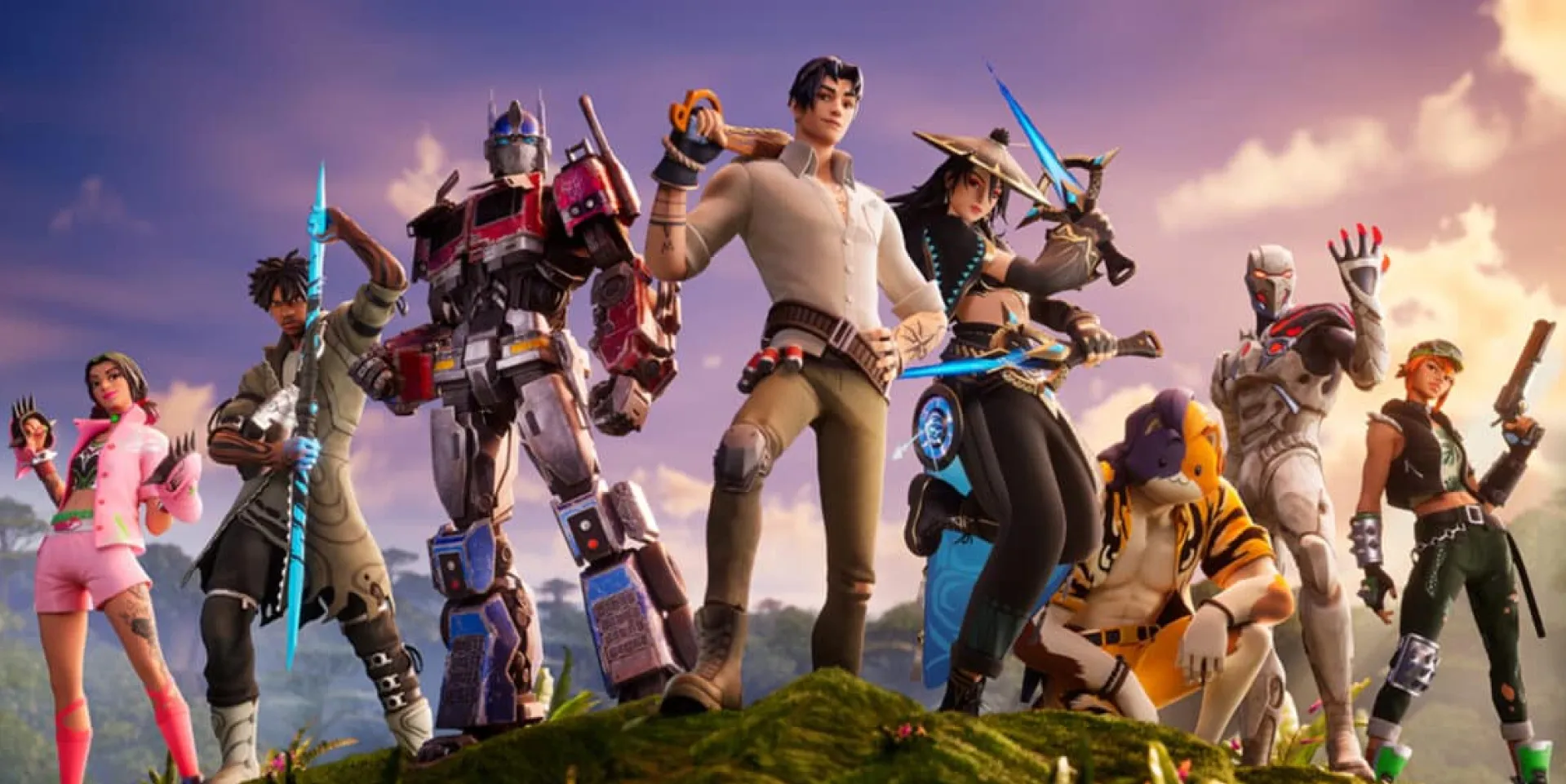
Originally released as a PvE game, Save the World was quickly dwarfed by its Battle Royale mode which received 10 million players in the first two weeks of launch. The game continues to break its own records, receiving 44.7 million players in one day in November 2023 where the game returned to its OG map roots, and it has seen similar boosts in player count with the arrival of each season which brings new IP, maps, and spins on gameplay.
More than six years after the launch, Fortnite shows no signs of slowing down, with the recent State of Unreal event at GDC revealing plans to use its Unreal Editor for Fortnite to create an entire Fortnite season.
Key Takeaway
Few games see as many changes to maps, characters, and gameplay features as Fortnite. As such, planned server downtime is a staple between seasons. Epic Games has used this downtime to build anticipation within the community, as seen with the October 2019 'Blackout' in which Fortnite became inaccessible for 72 hours. At Metaplay, we recognize the importance of responding to your community so we offer pre-built implementations that allow developers to easily add in-game events and shop offers to a game.
Why Planning for Scale Matters from Day One
Developers need to be prepared for whatever level of success their game faces. Even when backed by considerable resources that aren't available to all, the best laid plans can go awry in the face of soaring player demand and expectations. Flexibility, scalability and top-tier player support are vital. As such, it's important that your game's backend can support its growth from the very first line of code to chart-topping success.
At Metaplay, we exist to ensure long-term success for your title. You can download the Metaplay SDK and evaluate it in your own time, either with one of our sample projects or integrated into your game.
FAQ
What causes server crashes during game launches?
Server crashes typically occur when player demand exceeds the infrastructure's capacity to handle concurrent connections. Games like Mario Kart: Tour and Helldivers 2 experienced this because their popularity far exceeded initial projections, overwhelming their server architecture.
How can developers prepare for unexpected player surges?
Games that survive unexpected surges share a common trait: their infrastructure was designed to scale horizontally rather than depending on a fixed server pool. Load testing with realistic player simulations before launch is equally critical – tools like Metaplay's BotClient let studios simulate millions of concurrent players to identify bottlenecks before real players encounter them.
Is it better to cap servers or risk crashes at launch?
Helldivers 2 demonstrated that server caps, while frustrating for some players, can be preferable to crashes. Combined with transparent communication from the development team, players tend to be understanding as capacity is gradually increased.
How important is IP recognition for overnight game success?
Several games on this list (Mario Kart: Tour, Monopoly Go!, Call of Duty: Warzone Mobile) leveraged existing IP to drive massive initial interest. However, strong IP must still be paired with solid game design and infrastructure to sustain success beyond the initial surge.

![Player Expectations in 2025: An Overview of Key Player Trends in Games [Updated for 2026]](/images/blog/player-expectations-in-games-in-2025-featured.webp)