


Gil Tov Ly, CMO at Appcharge, shares his perspective on how direct-to-consumer strategies are reshaping game monetization. From the evolution of webshops into full-featured player hubs to the resurgence of web gaming, this interview explores why DTC is becoming a long-term model for studios looking to scale on their own terms.
Why DTC Strategies Are Reshaping Game Monetization
A growing number of studios are stepping away from traditional app stores to avoid steep platform fees and to take back control of how they reach and monetize their players. For Gil Tov Ly, CMO at Appcharge, this marks a major strategic pivot. As he puts it, "It's not just about avoiding the 30% fee -- it's about having more control over distribution."
The direct-to-consumer (DTC) movement has gained serious momentum over the past year, especially in the wake of the Apple vs. Epic ruling, which gave developers greater freedom to guide users toward external payment options. That legal shift cracked the door open, but what's followed is a flood of innovation.
Leading the way are platforms like Appcharge, helping studios implement these systems with scalable infrastructure and developer-first tooling.
Gil emphasizes the broader value: "These new DTC approaches don't just mean increased revenue -- they also provide crucial player data, enabling developers to optimize engagement and build a sustainable player loyalty."
Webshops Were Just the Beginning: The Next Generation of DTC in Gaming
As players become more accustomed to cross-platform experiences, webshops are evolving into full-featured hubs for community, content, and live operations. Gil explains, "If you're already playing on multiple devices, why not buy from multiple places too? Players can log into a webshop from their browser, buy what they need, and have it instantly available on mobile, PC, or console."
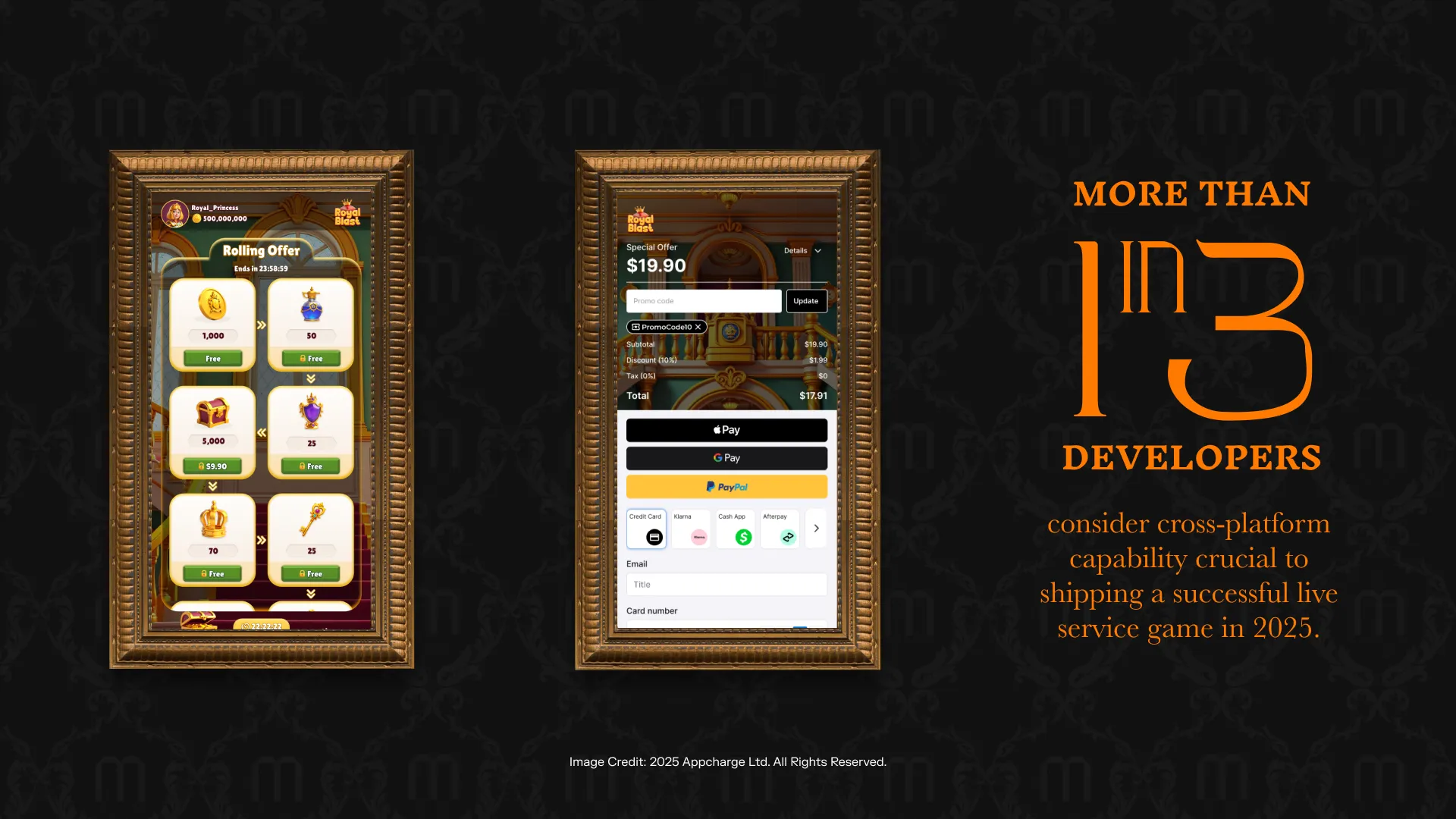
Modern webshops now provide far more than purchases. Developers are using them to push game updates, share exclusive content, run community polls, and even integrate features like matchmaking or team creation.
And even that's evolving. As Gil mentioned ahead of his Pocket Gamer Connects talk in Barcelona:
Web stores were just the beginning. The new generation of DTC now also revolves around real-time offers, link-out strategies, and even direct APK distribution.

Gil Tov Ly
CMO at Appcharge
What used to be simple transactional storefronts are becoming deeply integrated layers of the player experience.
This evolution reflects a broader shift toward DTC thinking, where engagement and retention are just as important as conversion, and where flexibility and speed are becoming essential to stay ahead.
Appcharge is the leading DTC platform for game publishers to scale paying user growth. With their new Payment Links, your iOS game can now accept payments outside of Apple's system, linking players to offers, securely processing payments, and instantly returning them to the game with their items waiting.
Strategic Outsourcing to Reduce Costs and Attract Investors
Despite the industry's optimism, challenges remain, especially in the form of rising UA costs and ongoing economic volatility. Gil suggests studios can navigate these challenges successfully through strategic outsourcing.
By shifting non-core functions to external tooling, studios can drastically lower their operational costs and accelerate development. Today's investors strongly favor teams leveraging external solutions. These studios typically benefit from reduced burn rates, quicker game launches, and greater overall profitability.
Gil Tov Ly
CMO at Appcharge
In short, outsourcing saves money and positions studios attractively in a competitive funding landscape, making them more likely to secure crucial investments and build for sustainable scale.
Web Gaming's Exciting Comeback
One of the most intriguing developments Gil points to is the resurgence of the web as a viable gaming platform. After years of dormancy, modern technologies like WebGL and enhanced HTML5 capabilities are ushering in a powerful revival. Gil shares his excitement: "Web distribution hasn't been considered seriously for nearly a decade. But today, thanks to these technological advances, it's back. Imagine playable ads not restricted by current limitations, fully rendered game experiences players can enjoy instantly before downloading. That's incredibly exciting."
While the potential of web gaming still needs to be fully realized, Gil believes its return opens fascinating doors for innovative marketing and distribution.
The Future of Game Monetization Is Direct, Cross-Platform, and Player-Centric
Our conversation with Gil makes one thing clear: DTC strategies will play an essential role for studios finding new ways to scale, monetize, and engage players on their own terms.
What was once a workaround has evolved into a long-term model. Studios that adapt now are doing far more than reacting to market shifts. They're building more resilient, scalable businesses for the future.
At Metaplay, we're excited to support this shift and help game teams take the lead in shaping what comes next.
FAQ
What is direct-to-consumer (DTC) in mobile gaming and why is it growing?
DTC means selling to players directly through a webshop or external payment flow rather than routing all transactions through an app store. The primary driver is economics – app stores take up to 30% of every purchase. The Apple vs. Epic ruling accelerated adoption by giving developers legal grounds to direct iOS users to external payment options. But beyond the fee saving, studios gain access to player data and control over the purchase experience that app stores don't provide.
What can a game webshop do beyond selling in-game items?
Modern webshops have evolved well beyond transactional storefronts. Studios now use them to push game updates, share exclusive content, run community polls, and integrate features like matchmaking or team creation. Gil Tov Ly describes the next generation of DTC as encompassing real-time offers, link-out strategies, and direct APK distribution – effectively making the webshop a parallel player hub alongside the game itself.
How does DTC help game studios attract investors?
Investors increasingly favour studios that use external tooling for non-core functions rather than building everything in-house. Studios with DTC infrastructure tend to have lower burn rates, faster launch timelines, and better unit economics – all of which are more attractive to investors in a competitive funding environment. Strategic outsourcing of payment and distribution infrastructure is one concrete way studios can demonstrate operational efficiency.
Is web gaming a viable distribution channel again in 2025?
Gil Tov Ly argues it is. After nearly a decade of dormancy, WebGL and modern HTML5 capabilities have made fully rendered browser-based game experiences practical again. The immediate opportunity is playable ads without the limitations of current ad formats – giving potential players a real game experience before downloading. Whether web becomes a mainstream distribution channel depends on how studios choose to invest in it, but the technical barriers that killed it the first time are largely gone.