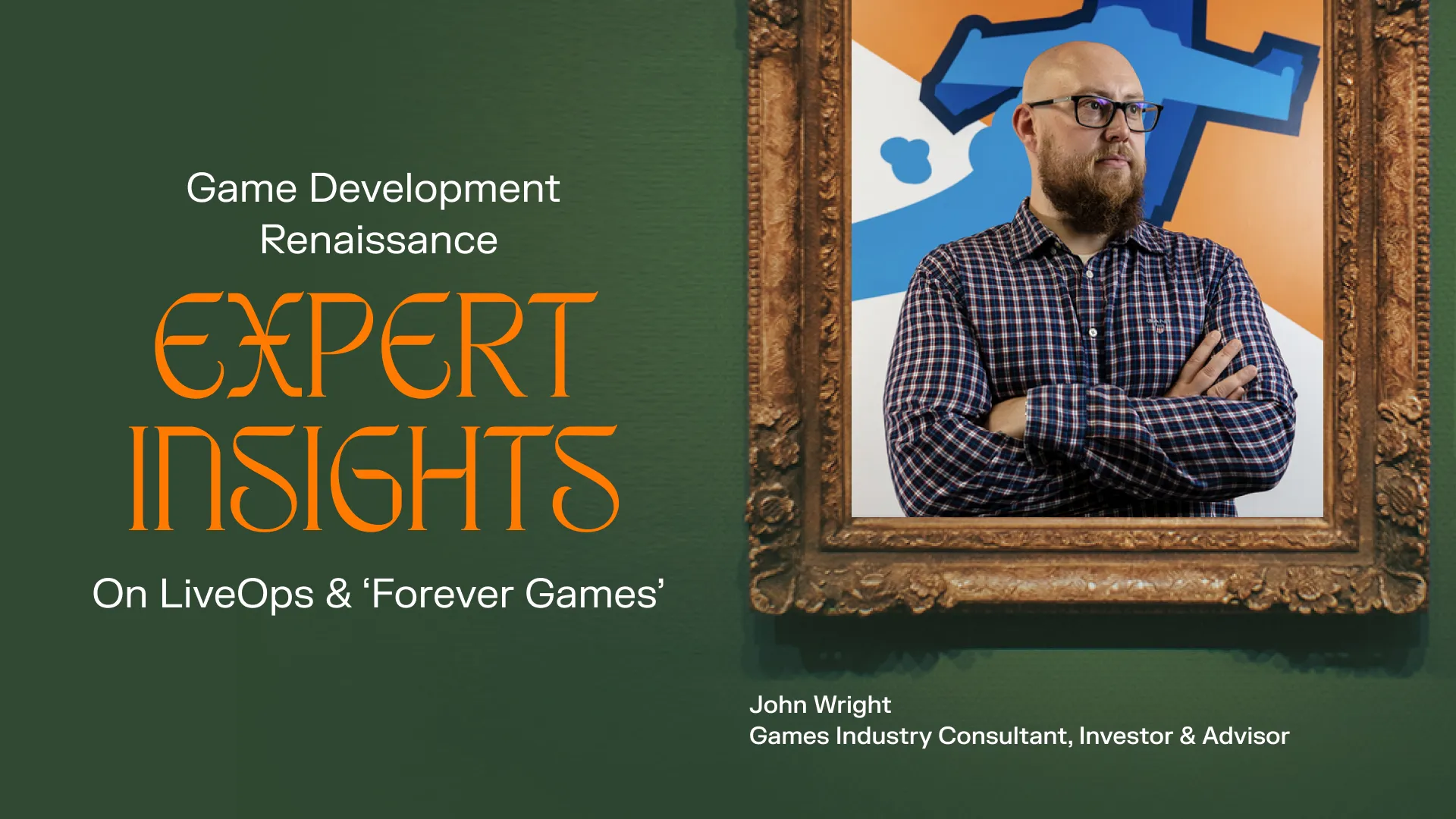

John Wright shares his insights on why live service games are the backbone of 2025's top-grossing titles. From the rise of 'forever games' that sustain revenue for seven to ten years, to multi-layered event strategies and IP collaborations, this interview explores how studios are shifting from launching new games to making existing ones stronger.
Why Live Service Games Will Be the Backbone of 2025's Top Games
The biggest successes in 2024 didn't come from new games. They came from live ops.
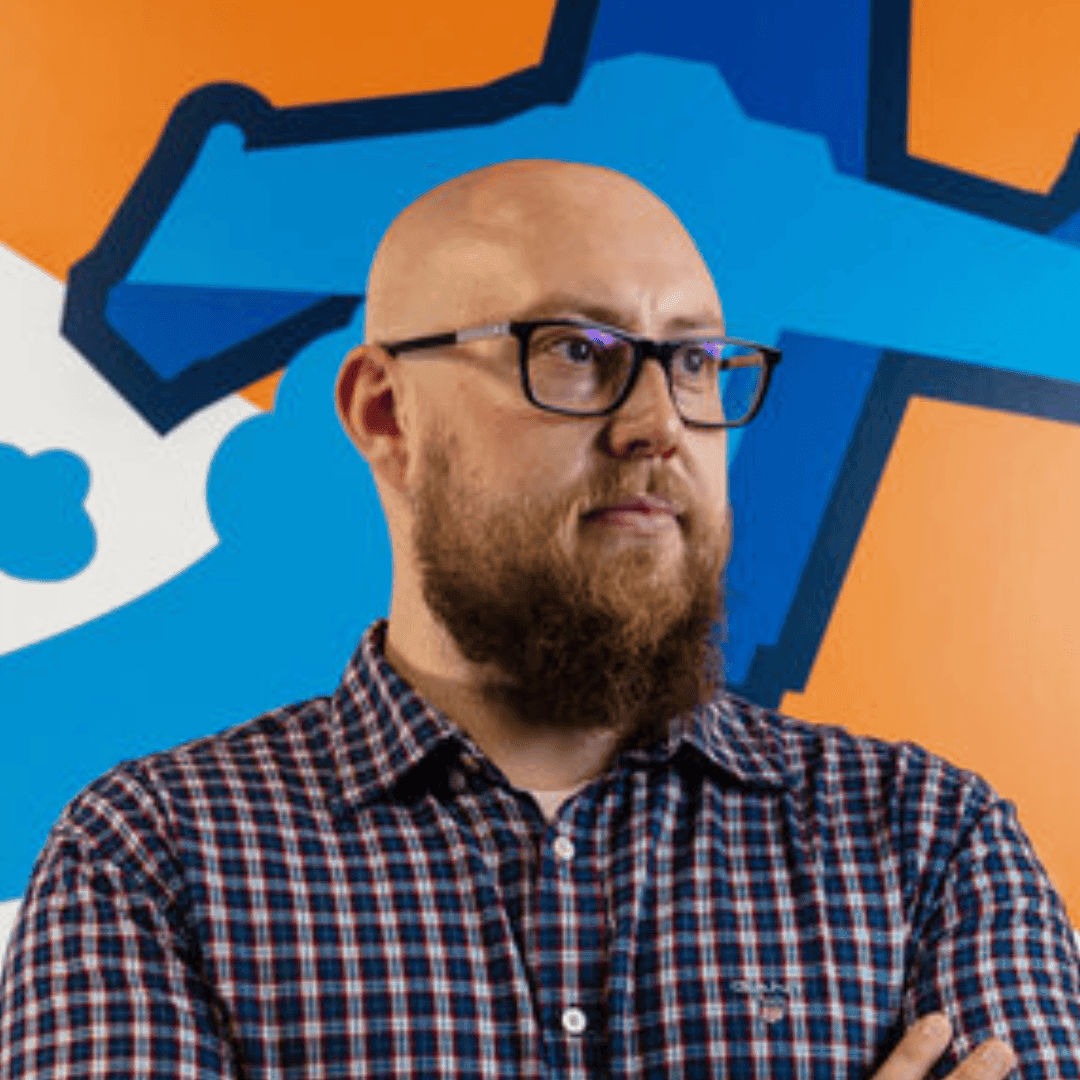
John Wright
CEO at Turborilla
The data backs this up. A glance at today's top 100 highest-grossing games shows the vast majority have been around for at least four years.
Brawl Stars, for example, was generating around $10 million per month in in-app purchases by the end of 2023. But by late 2024, that number had exploded to $60-70 million per month. As John puts it, "That's a game that's over six years old. And it all comes down to their ability to execute better live ops."
So what's changed? Studios have become more sophisticated in how they extend a game's lifecycle. "We used to call games that lasted three to five years 'evergreen,'" John explains. "Now we're talking about 'forever games' - titles that are surviving seven to ten years, or even longer."
The strategy is clear: developers must move beyond simple content updates and implement deeper personalization, A/B testing, and smart monetization tactics to keep their communities engaged.
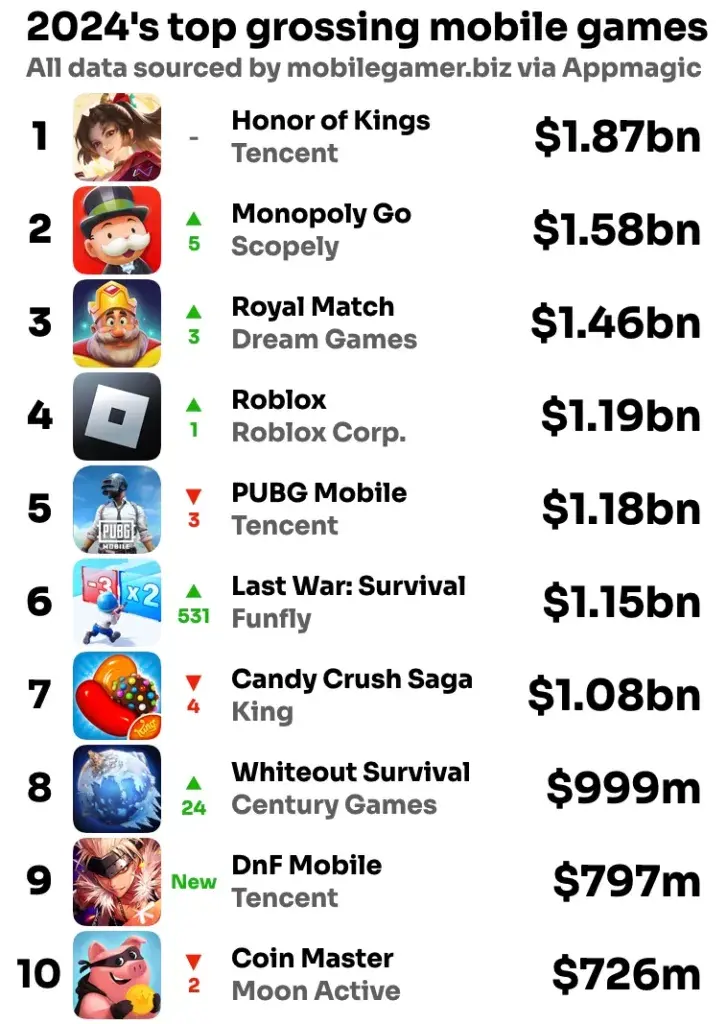
The majority of 2024's top titles have been around for a good few years - proving the shift towards evergreen, or even 'forever' games. For example, Honor of Kings launched in China in 2015. [Image credit: mobilegamer.biz]
The Rise of Multi-Layered Events in Games
Live service games have always relied on in-game events, but the way they're executed is evolving. "We're not just seeing a single big event stretched over 21 days anymore," John observes. "Now, we're seeing multiple events running in harmony - weekend events, limited-time collaborations, and crossover bonuses for participating in multiple activities."
This shift is as much a calculated move to boost engagement as it is a drive to add more variety for players. More frequent events mean more daily logins, longer session times, and ultimately, more opportunities for studios to convert players into paying users.
John points to Royal Match as a prime example: "They've got four or five live events running at any time. Players are being given reasons to return every day, and those who engage with multiple events get extra rewards. It's not just about getting players in - it's about keeping them playing, and giving them more meaningful reasons to engage and monetize."
How IP Integrations Are Fuelling the New Game Growth Engine
One of the most significant trends John sees taking hold is the increasing role of brand collaborations. "We're seeing big IPs being integrated into live service games like never before," he explains. "Instead of building full games around a brand, studios are doing limited-time partnerships where players can unlock cosmetics, characters, or time-gated experiences."
Recent examples include Manchester City player Erling Haaland in Supercell games, Godzilla crossovers, and even Teenage Mutant Ninja Turtles in casual mobile titles.
"When these go live, you immediately see a spike in engagement," John notes. "And from a marketing perspective, it's brilliant. You're leveraging a whole new audience that loves that IP, which means organic installs go up and the cost per acquisition goes down."
This approach also leads to better player quality. "These aren't just random installs," he adds. "They're passionate fans of the brand who are more likely to stick around."
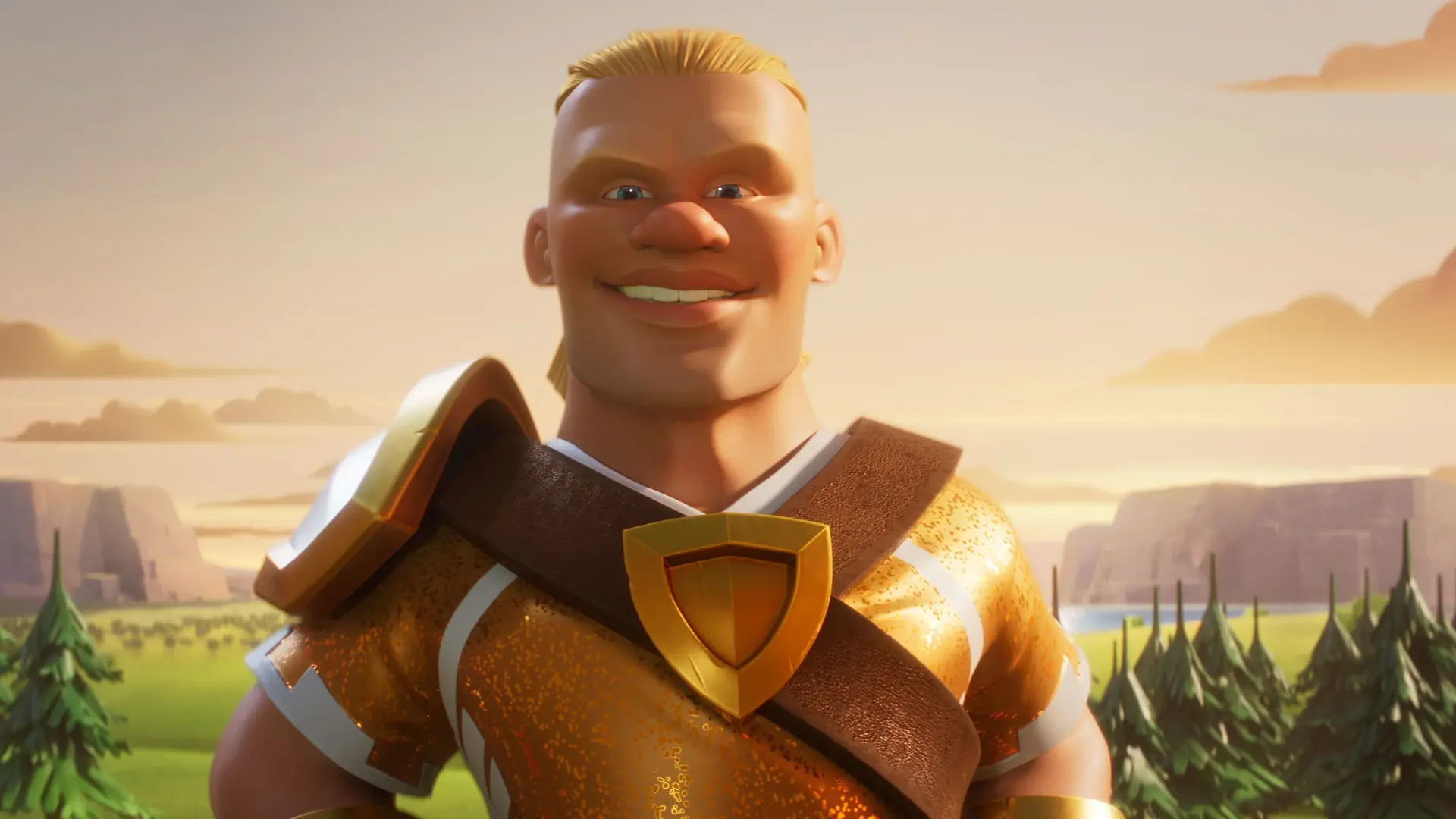
Of course, not every studio can run IP collaborations at the scale of bringing Erling Haaland into Clash Royale, but it's proven to be a valuable strategy that studios of all sizes can take inspiration from, and source IP opportunities appropriate for their own scale and genre. [Image credit: Supercell.]
Prioritising Long-Term Game Growth over Flash-in-the-Pan Hit Games
Perhaps the most critical shift in mindset for game developers is the understanding that success isn't about launching new games every year - it's about making existing games stronger. "A decade ago, you'd launch a game, make your money in year one, and then move on," John reflects. "Now, the focus is on making sure your existing game continues to be your biggest revenue driver for years to come."
This means studios need to invest in long-term strategies: robust backends, scalable live ops, and tools that make iteration faster and smoother.
The Metaplay approach - providing infrastructure that allows studios to scale live operations efficiently - helps game developers of any size thrive in this new reality.
The Game Development Renaissance Is Here (But It's Not Without Challenges)
Despite the optimism, John acknowledges that the road ahead won't be without hurdles. User acquisition costs remain a challenge, competition is fierce, and player expectations are higher than ever.
But for those who embrace the right strategies, the potential is enormous.
The games that win will be the ones that execute smarter, not just bigger. They'll be the ones that understand their players, use the right tech to make informed decisions, and build systems that allow for continuous growth.
John Wright
CEO at Turborilla
For Unity developers, that means focusing on the fundamentals: great live operations, meaningful engagement strategies, and external tooling that reduces technical debt and allows teams to move faster.
The studios that master these strategies will be the ones painting the future of games.
FAQ
What is a "forever game" and how does it differ from an evergreen game?
Evergreen games were those that sustained revenue for three to five years. Forever games – John Wright's term for the current benchmark – are titles designed to run for seven to ten years or longer. The shift requires studios to go beyond simple content updates and invest in deep personalisation, A/B testing, and layered monetisation systems that keep a community growing rather than just retained.
How did Brawl Stars grow from $10 million to $60–70 million per month in revenue?
Brawl Stars' revenue grew roughly six times over in the space of a year through sustained LiveOps execution – not a new game launch. Supercell's ability to run multi-layered events, personalise offers, and continuously iterate on the game's economy is John Wright's primary explanation for the growth. The game was already over six years old when it hit those numbers.
Why are IP collaborations effective for live service game growth?
Limited-time IP integrations – cosmetics, characters, or time-gated experiences tied to an external brand – drive immediate engagement spikes and attract the IP's existing fanbase as organic installs. John Wright notes that these players tend to be higher quality than typical UA-driven installs because they arrive with pre-existing passion for the brand, which translates to better retention and monetisation.
How are in-game events evolving in live service games?
The single extended event – one big activation stretched over 21 days – is being replaced by multiple simultaneous events running in harmony: weekend events, limited-time collaborations, and cross-event bonuses for players who participate in more than one. Royal Match runs four or five live events simultaneously. The goal is to give players a reason to return daily and reward those who engage most deeply.