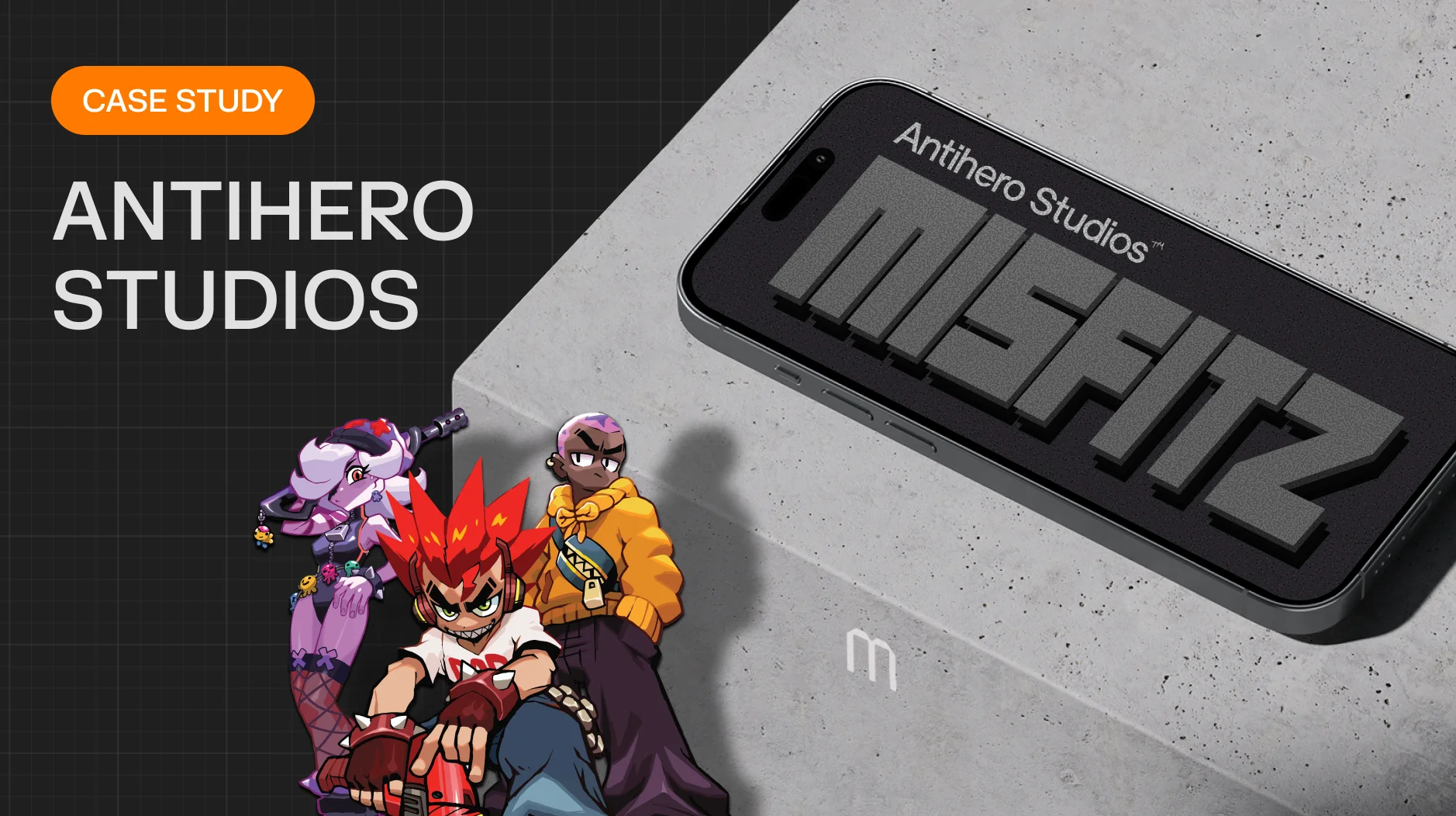

Antihero Studios is building Misfitz – a mobile-first multiplayer extraction game with 70,000 pre-alpha sign-ups. The team are veterans from Supercell, King, and Bandai Namco. They know what it takes to operate a live game. Their bet: use Metaplay so they never have to build that infrastructure themselves.
Misfitz is built for players who come back daily – which means regular config updates, player segmentation, economy tooling, and an operations dashboard the design team can use without an engineering ticket. The game is currently in pre-alpha, with the team having run multiple playtests under live service conditions ranging from a week to 10 days. This case study covers how they chose Metaplay for their backend and what those sessions have looked like in practice.
About Antihero Studios
Antihero Studios was founded in Barcelona with a simple goal: build a hit multiplayer game with a team small enough to stay fast. The studio's debut title, Misfitz, is a mobile-first extraction game with a twist on the genre's standard format. There's no traditional matchmaking queue. Players drop into sessions already running – fights in progress, loot changing hands, alliances already forming.
CTO Andre Parodi came in with a clear view of which problems were worth solving in-house and which weren't. That view shaped every infrastructure decision the studio made.
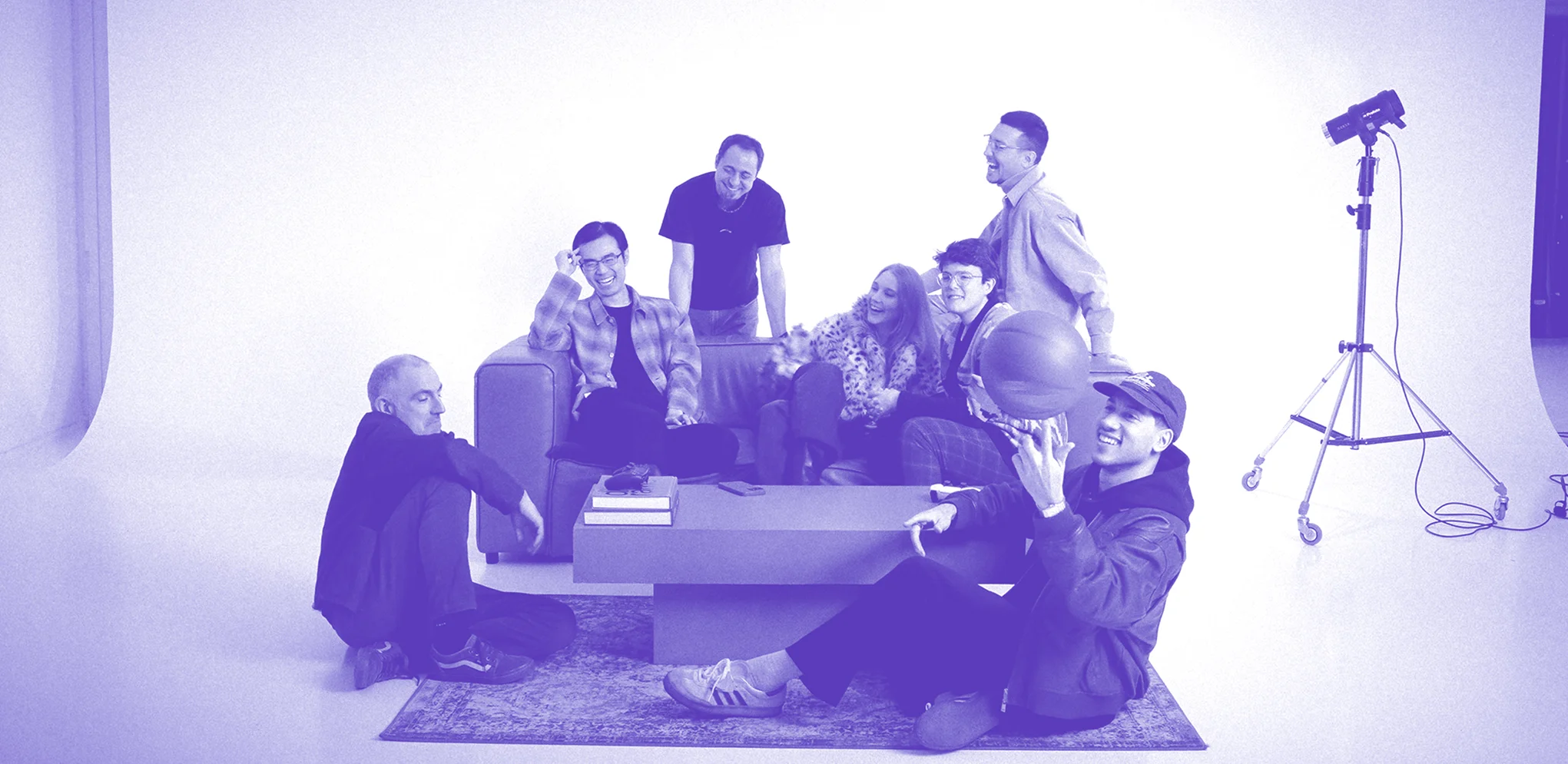
Why Antihero Studios doesn't build backend tech
The team knew from experience what running a live game actually demands: daily config updates, player segmentation, an operations dashboard non-engineers can use without filing an engineering ticket, and the ability to investigate a specific player's issue without trawling through global error logs. None of it is glamorous, but all of it consumes engineering time if you build it yourself – and none of it ever gets finished.
Before the first line of Misfitz was written, CTO Andre Parodi had a clear position: don't build what already exists. "I've thought very strongly that we shouldn't be developing tech. I think tech in gaming has been commoditized a lot. There are many backends as a service, there are networking products out there, there are many engines that work well for mobile."
His rule: if the problem you're trying to solve has a robust, mature product out there, use it. Build custom only where existing solutions genuinely fall short. "That's just generally the philosophy we've taken here."
This shaped every infrastructure choice at Antihero. Unity, because talent is more accessible in Barcelona and the mobile ecosystem is deeper there. Photon Quantum for networking, building on experience from Bandai Namco where the team had already worked with it extensively. And Metaplay as the live-service game backend platform – though that choice required a closer look.
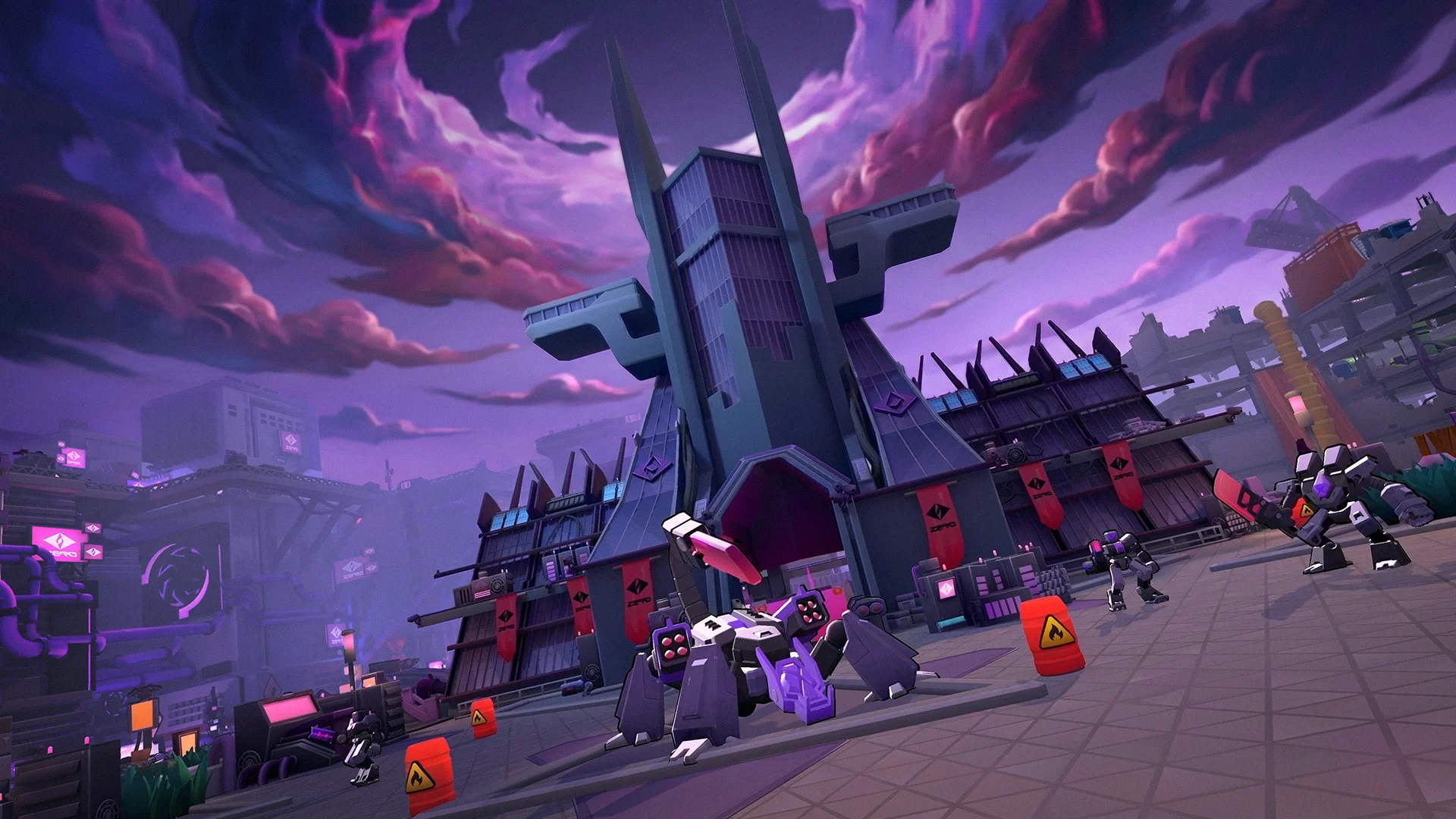
From Nakama to Metaplay
When Antihero started, they were running on Nakama. Andre wasn't actively shopping for a replacement. "To be honest, I wasn't really even looking seriously to change."
What changed his mind was the operational depth. Metaplay read like it had been built by people who had actually run a live game. "The things that really struck me was how this tool was going to help us operate the game, managing configs, managing different environments. There's a ton of operational features in there that aren't necessarily advertised. You can really tell that the tool has been developed by someone that has operated a game, has developed those tools in another company, and knows – when you're trying to manage config, these are the problems you face, and they're not simple problems to resolve."
The evaluation was hands-on. Andre gave himself a week or two to migrate features from Nakama to Metaplay in a branch. Try it, see what it does, and discard it if it doesn't work out. For performance at scale, he trusted the reference points rather than trying to simulate them. Metaplay's track record with Merge Mansion was enough. "I'm not going to come up with a better performance test in a week than that case study."
The other factor was a forward-looking one. Antihero is building for a hit – and if the game works, the infrastructure can't become the thing that kills it. "We don't want to fail because we made the wrong tech choice in the first place. We want to know that if the game works, we're already on the right stack."
I wasn't really even looking seriously to change. The things that really struck me was how this tool was going to help us operate the game. You can really tell that the tool has been developed by someone that has operated a game.

Andre Parodi
CTO at Antihero Studios
Dividing the stack: Photon for netcode, Metaplay for everything else
The boundary between Metaplay and Photon is clear at Antihero. Photon Quantum handles the real-time layer: netcode, match simulation, and the lobby. Misfitz uses Quantum's deterministic model – something Andre had worked with at Bandai Namco and considers a significant technical advantage over conventional multiplayer approaches. "Quantum is very innovative in its way of doing networking with its deterministic model. I don't think anyone else is doing that on the market for physics engines."
Metaplay covers everything that isn't game netcode. Player profile, authentication, social systems, game config, roles, gacha mechanics. "All of the traditional server backend stuff is all Metaplay."
The integration point between the two is authentication. When a player enters a Photon lobby, Photon contacts Metaplay to validate the token.
The Metaplay features Antihero relies on
After a year of daily use, a few Metaplay features stand out across the team.
Player profile architecture
The pattern where the client holds a local copy of the player profile, updates it, and syncs to the server has removed a class of problem the team had to manage manually before. "With Metaplay, probably the biggest headache it's removed is the synchronization between the client and the server. Having a cache of the player model up to date in the client – I can just access it immediately, and all of the synchronization, rollback if there's a check somewhere, etc. – it's all taken care of for me. Massive."
Game config tool
Misfitz runs on a game config spreadsheet with thousands of rows and around 20 columns. The game designer works in it constantly during playtesting. When the config tool flags an error, it tells you exactly where – "Cell M76 is wrong" – rather than reporting that something failed somewhere. The designer's reaction: "My god, how do they know it?" At that scale, that specificity is the difference between a useful tool and one that just creates more work.
LiveOps Dashboard extensibility
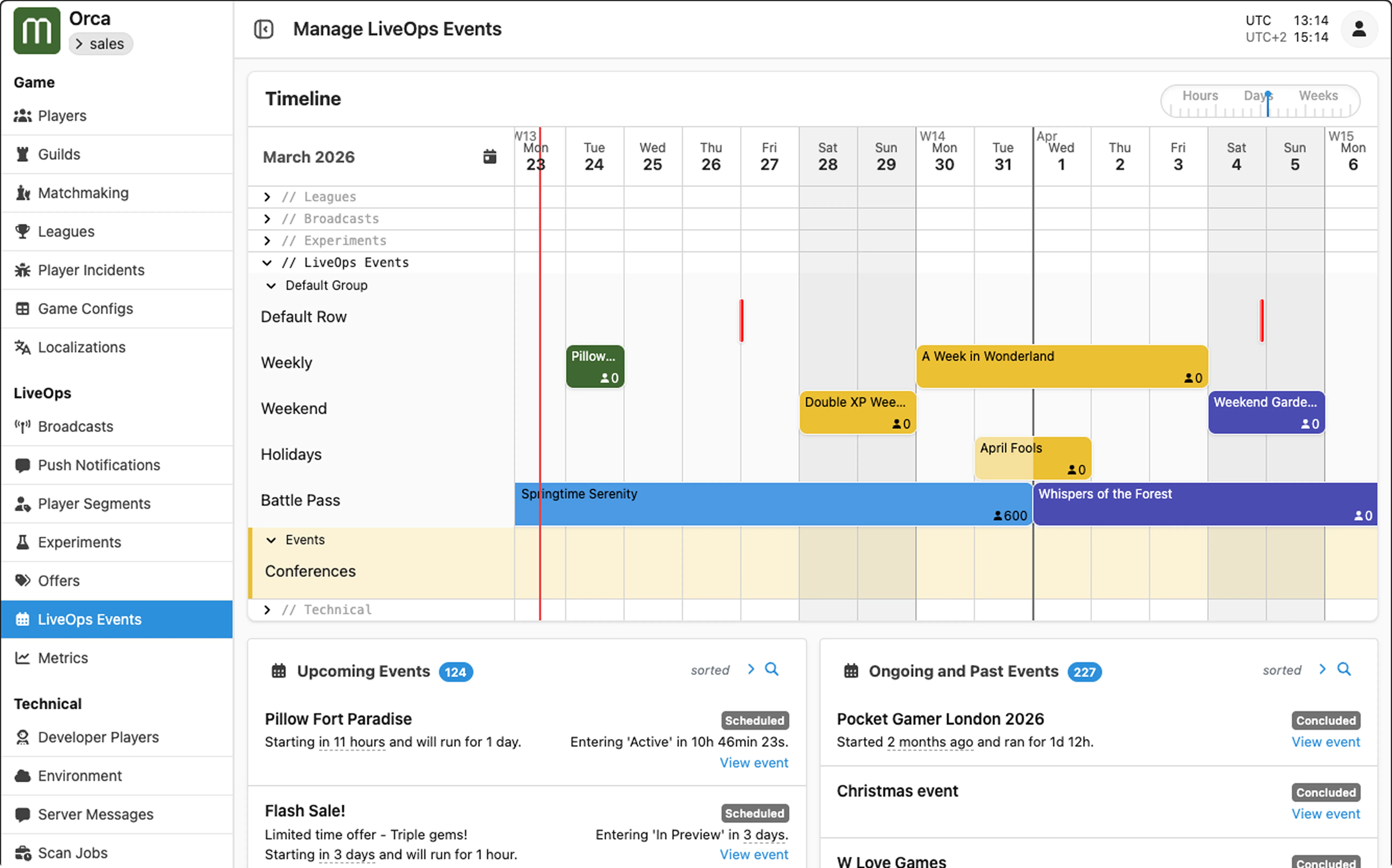
The team has built custom screens inside the LiveOps Dashboard to track active Quantum lobbies and see which players are in which room in real time. The dashboard's built-in authentication means those views don't require building a separate access layer. "I don't need to just rewrite all of this stuff in my own tool. That would be a pain."
Per-player exception logging
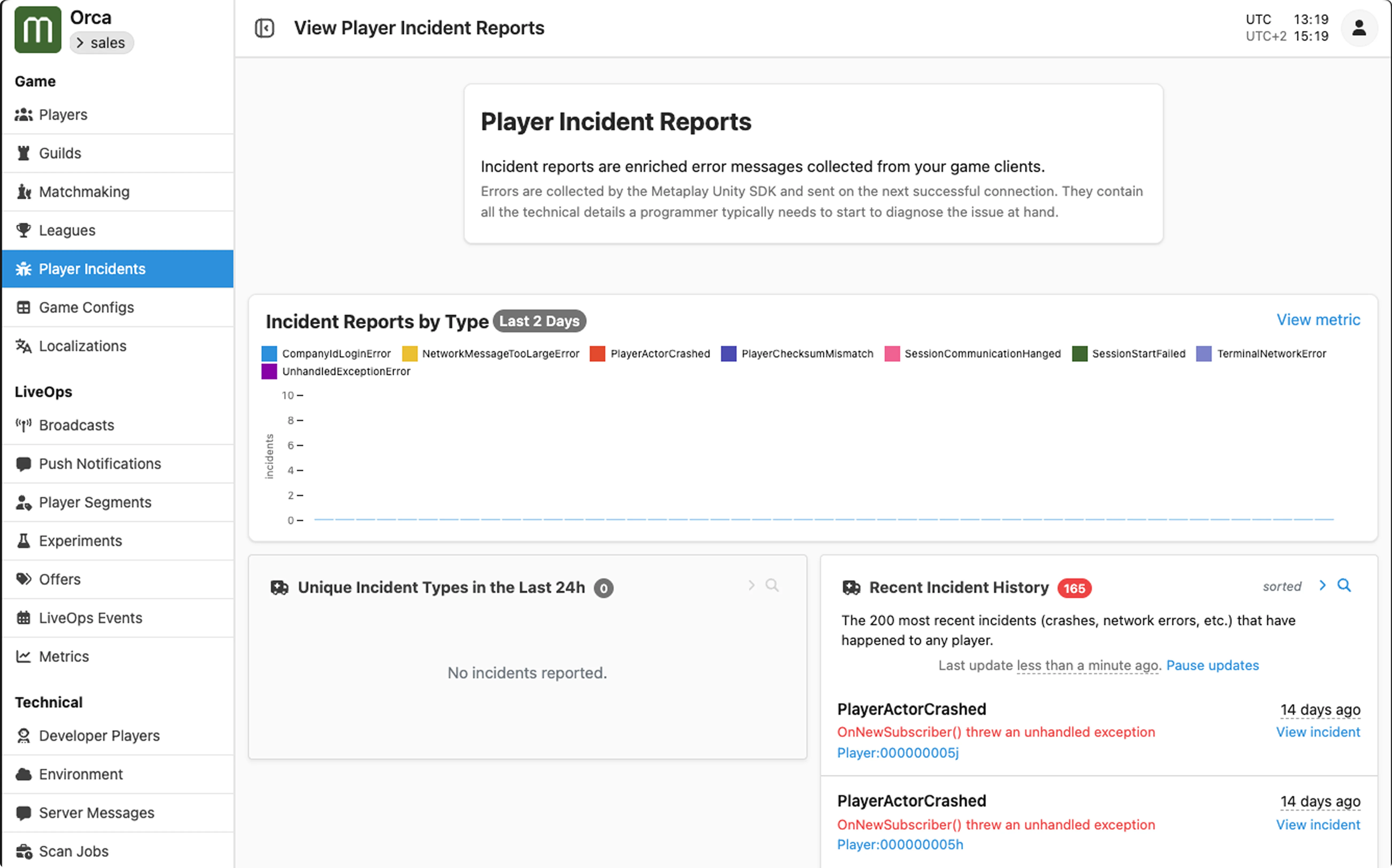
When a player reports a problem, the team can pull up that specific player's error history. Unity's dashboard shows errors globally. Metaplay lets you drill into individual players. "You can go into a player and see all the errors that occurred for that player. We can't do that in Unity's dashboard. That's really nice."
Pre-built Grafana dashboards
Metaplay ships with pre-built Grafana dashboards ready to go. "All the metrics are there. If I'm not an expert at Metaplay now, I don't need to think – it'd be interesting to see how long each actor's taking, or this or that. It's already there." For a team without a dedicated DevOps engineer, this is the difference between having operational visibility and not.
Staying lean with a managed game backend
Antihero's infrastructure runs on Metaplay's managed cloud. There's no dedicated DevOps engineer on the team.
It's insane what we're able to do with what Metaplay and Photon are providing. We don't even have a DevOps engineer. Getting off the ground with a managed cloud is insanely helpful.
Andre Parodi
CTO at Antihero Studios
The pricing model fits how early-stage studios work in practice. Discord support covers what the team needs through development, with a full support package planned for launch. "We can go through development with Discord support, and that works well. We don't have to scale the cost until we're scaling the volumes."
Results: a year with Metaplay
A year in, Andre's verdict: "Absolutely zero regrets. Quite the opposite."
"Working with Metaplay for a year or close to that – I feel even more convinced now that it's the right choice than I was when I made the choice."
What keeps coming up is the operational depth that wasn't even advertised – features that surfaced when the team needed them, built by people who had clearly faced the same problems before. The infrastructure bet was made early. It's held up.
Want to see how Metaplay fits your stack? Talk to us or explore the docs.
FAQ
How long does it take to evaluate and migrate to Metaplay?
Antihero Studios gave themselves one to two weeks to test a migration from Nakama to Metaplay in a branch. The approach: get hands on the actual system, move real features across, and either commit or discard it. For performance at scale, they trusted existing reference points – Metaplay's track record with Merge Mansion – rather than trying to build a synthetic load test. Most studios find the evaluation period short relative to the risk of building backend infrastructure themselves.
What if we have custom game mechanics that don't fit the standard feature set?
Metaplay ships full source code from day one, so the team can extend or modify anything. Antihero built a heavily customized matchmaking system for Misfitz's drop-in session model – a flow that doesn't map to standard matchmaking at all – and extended the LiveOps Dashboard with custom screens for tracking active Photon lobbies. Having the source code means there's no hard limit on what they can build on top of it.
What does operating a live multiplayer game look like without a backend engineer?
Antihero runs Misfitz on Metaplay's managed cloud with no dedicated backend or DevOps engineer on the team. Metaplay handles infrastructure, scaling, and operational tooling. The team gets pre-built Grafana dashboards, per-player exception logging, and a game config system with validation – the kind of tooling that would otherwise require dedicated engineering time to build and maintain. Discord support covers what's needed during development, with a full support package planned for launch.
How do we know Metaplay will scale when the game takes off?
Metaplay has been tested at significant scale across multiple live games. When Antihero was evaluating, they didn't try to replicate that with a synthetic performance test – they looked at what Metaplay had already handled and extrapolated from there. The architecture is server-authoritative by default, which also matters for cheat resistance in competitive multiplayer as player counts grow.
How does Metaplay compare to Nakama?
Antihero Studios migrated from Nakama to Metaplay during early development. The deciding factors were operational depth – Metaplay's game config management, environment management, and extensible LiveOps Dashboard go significantly further than what Nakama offers out of the box – and the confidence that the architecture would hold at scale. The migration itself took one to two weeks in a branch. A year later, the team hasn't looked back.
What's the risk of depending on a third-party backend platform?
The main concern is vendor lock-in. Metaplay addresses this directly: studios receive full source code access from day one. You can modify anything, self-host if needed, and you own the code you ship. That's a meaningful difference from backend-as-a-service products where you're working through an abstraction layer you can't change. Antihero's CTO cited this as a key factor – knowing the code is there if something changes with the service.